
How to take care of your hook and latch
Cranes Are Fundamental In The Operations Of Many Industries. We Have Become So Used To These Machines In The Working Area, But We Don’t Always Realise How Dangerous This Equipment Can Be If It Is Not Operated With Caution And Care. In This Article, We Take A Look At How To Take Care Of Your Hook And Latch As Part Of Safe Operations In The Workplace.
Point Of Contact
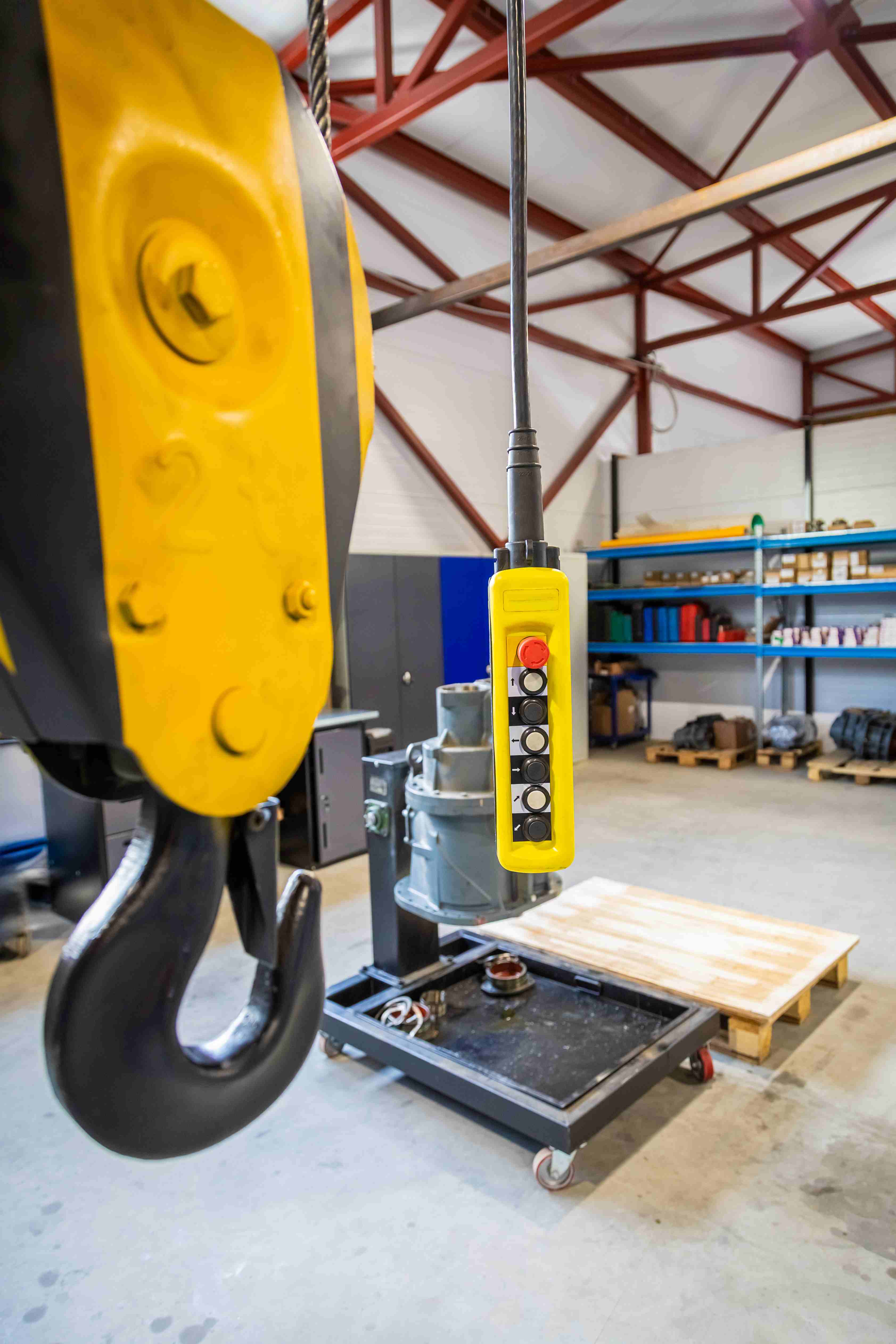
The Hook Assembly Is The Point Of Contact Between The Crane And The Load. If The Hook Or Latch Fails, It Can Have Catastrophic Consequences. It Can Cause The Load To Fall, Which Might Result In Major Damage To The Load And Equipment, But More Upsetting Is The Possibility Of Someone Getting Injured In The Process.
As The Hook And Latch Are The Contact Points, It Is Extremely Important That They Are Maintained And Inspected Regularly. The Hook, After All, Carries The Weight Of The Load, And The Latch Has To Ensure That The Load Doesn’t Slip Out Of The Hook.
For Safety’s Sake
Anything Can Happen When Materials Are Moved. The Load Can Shift, Even Slightly, And When The Hook Latch Is Not In Good Condition, Or Doesn’t Feature At All, The Load Can Slip Free. The Hook Latch Is There To Prevent This And Accidents From Occurring, Materials From Being Damaged, Downtime Due To The Incident, Or, Worst-Case Scenario, Injuries. It Is Just Not Worth It To Cut Corners When It Comes To A Crane’s Hook And Latch Care.
Daily Checks
In The Perfect World, The Entire Crane System Will Be Checked Before A Load Is Moved. In A Busy Working Environment, The Crane System Is Checked At Least Once A Day. The Operator Should Have A List Of Everything That Should Be Checked, And The List Should Include Checking Of The:
· Wire Rope, Sling Or Chain
· Hook And Block
· Limit Switches
· Controls And Pendant
· Brakes
· Obstruction And Cleanliness
· Tags And Labels
· Oil Leaks
And In Particular With The Hook And Latch, That:
1. The Throat Opening Of The Hook Hasn’t Widened Over Time. This Could Be A Sign Of Overloading Or Material Fatigue. If The Throat Of The Hook Is Too Wide, It Should Be Removed Immediately.
2. The Hook Is Not Bent Or Twisted. This Can Compromise The Structural Integrity Of The Hook And Can Be A Safety Issue.
3. There Aren’t Wear In Load-Bearing Areas, Especially In Contact Points Of The Hook. Cracks, Gouges, Or Nicks Are Red Flags.
4. There Isn’t Any Rust, As It Can Weaken The Hook, Especially When The Crane Works Outdoors Or In Marine Environments.
5. The Latch Closes Fully Against The Tip Of The Hook, And There Aren’t Any Gaps.
6. The Spring In The Latch Works And Snaps Back Into Place.
7. The Latch Aligns With The Tip Of The Hook. When It Is Misaligned, It May Compromise The Security Of The Load.
8. There Aren’t Any Dents, Bends, Or Broken Parts. If So, The Latch Or Hook Should Be Replaced As Soon As Possible.
Professional Inspections
Even When The Operator Inspects The Entire System Every Day, It Is Still Crucial For Professionals, Like HP Cranes Consulting, To Do Regular In-Depth Inspections. These Engineers Have The Know-How And Equipment To Inspect Parts Of The Crane That Might Not Be Visible Otherwise. Their Inspections Might Reveal Structural Weaknesses, Mechanical Failures, Or Component Wear.
For More Than Safety Reasons, These Inspections Will Also Confirm That You Are Complying With South African Regulations.
Legal Obligations
Different Regulations And Standards In South Africa Impact The Operation Of Cranes, Depending On The Industry And How The Crane Is Used. Here Are A Few Examples Of The Regulations And Standards:
1. Occupational Health And Safety Act, 85 Or 1993 (OHS Act).
2. Mine Health And Safety Act, 29 Of 1996.
3. National Building Regulations And Building Standards Act, 103 Of 1977.
4. Construction Regulations, 2014 (Under The OHS Act).
5. South African National Standards (SANS) Include:
a. SANS 19 (Mobile Cranes)
b. SANS 10147 (Handling And Operation Of Lifting Equipment)
c. SANS 500+ Series (Hooks And Rigging Components)
d. SANS 10375 (Requirements For Competence Of Crane Operators).
Get The Experts
So, For More Than Safety’s Sake, It Is Crucial That Your Crane Is Regularly Inspected And Maintained. It Will Help Your Operation Run Smoothly, Safely, And With Fewer Incidents, Making Your Workplace A Safer Place.
Donavon Spamer And His Team Will Ensure That Your Operation Complies With All The Regulations And Standards Of Cranes, Inspect, And Maintain The Equipment Professionally. Contact HP Cranes Consulting Today For More Information.